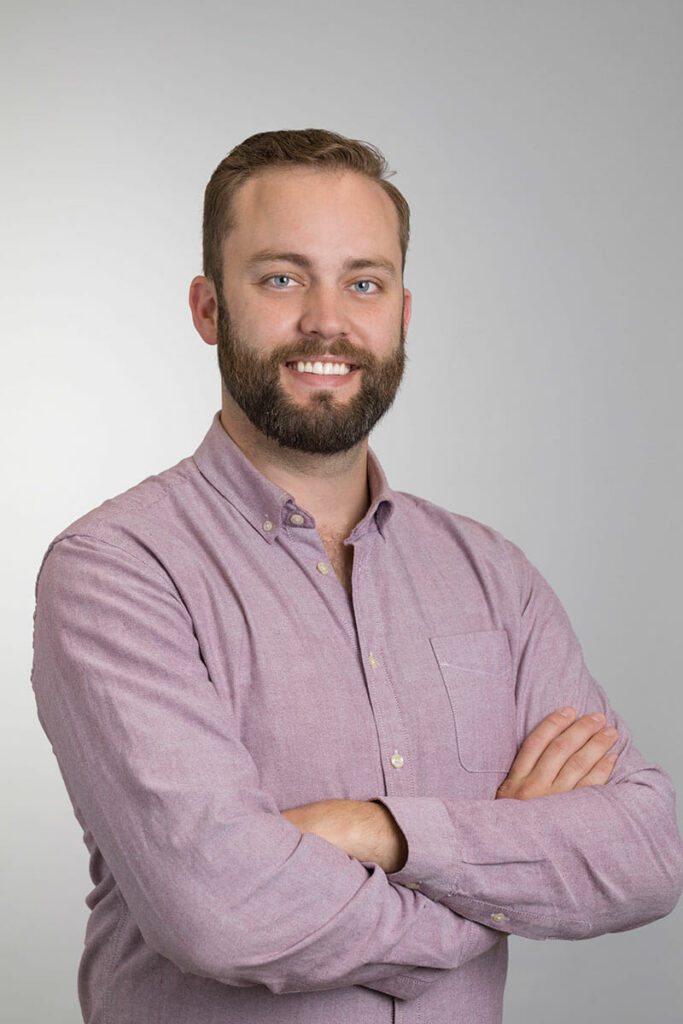
When Mack Csaszar first started working in his family’s business as a teenager, he never thought he would be there long-term. UCEL, an Ontario-based subcontractor specializing in mechanized vertical access, was founded in 1963 by his grandfather and later managed by his father. After graduating from university, Csaszar’s father Les wanted to reduce his responsibilities, leaving Mack to transition into leading the company between 2012 and 2014.
When he first took over the business, UCEL had multiple business lines, but their revenue and margins weren’t consistent year over year.
“When I started, if we didn’t steer the ship, we were going red.”
By digging into the business’s operations, creating better alignment on project expectations, and finding ways to expand wallet share, UCEL’s profitability grew tenfold and they scaled to over 100 employees. Now, Csaszar’s goal for UCEL is to create a pathway to $300M – $400M in annual revenue.
Here’s how Csaszar was able to regain profitability and find sustainable growth for UCEL:

Csaszar considers all of these areas integral to UCEL’s success, but what drove the most success for UCEL was investing in and empowering their people.
Csaszar’s first priority was to refine the business’s pricing and estimating practices. UCEL had been using the same strategy for years—one that was simple to calculate but failed to account for overhead, mistakes, and rework. They worked to refine their pricing discipline, allowing UCEL to protect its profitability.
Pricing was a big area of opportunity for the business but his team also needed to lean into sales excellence and customer retention. Instead of waiting for business to come to them (“pull sales”), they started actively seeking new customers, diversifying customer types, and entering new markets (“push sales”), creating a larger sales pipeline. UCEL also prioritized customer satisfaction, which helped them better retain their existing customer base and contribute to consistent growth.
Instead of only relying on a steady flow of bids for the same types of projects, Csaszar challenged his team to look for new opportunities. This mindset led to a series of innovations, including:
As UCEL grew, Csaszar realized the company needed stronger contract management policies. In the early years of the business, only one person reviewed and negotiated contracts—and at times, they would sign contracts without a thorough review. This not only left the business open to potential risks, but also to potential conflicts with customers. Csaszar said contracts were regularly drafted by a customer’s legal team that did not align with what the front office and UCEL agreed to, creating conflicting expectations for everyone.
To help streamline the review process, UCEL hired a fractional general counsel to review and redline contracts. While Csaszar says it’s a headache on the front end, reviewing both the contract terms and scope of work carefully has helped increase alignment on project outcomes and retain customers.
Csaszar believes the key to achieving his goal of $300M to $400M in revenue is simple: people. His philosophy is that an organization’s growth is a natural result of hiring people who are self-motivated to solve problems.
To foster this environment, UCEL has made growth a core value—and every employee knows it’s the company’s main goal. UCEL reinforces this message to the team by promoting from within, focusing on staff retention, and offering mentorship opportunities. Csaszar also implemented an employee stock ownership plan (ESOP) to give key employees a financial stake in the company’s success, which he says has made a big difference in their engagement. He notes that employees who bought into the ESOP are more proactive, want to be involved in financial meetings, and are eager to innovate and contribute to the company’s success.
By focusing on operational improvements, a proactive mindset, and investing in his team, Csaszar transformed his grandfather’s business into an industry leader ready to achieve even greater growth. His advice for subcontractors who are looking to grow their businesses? Always have personal learning initiatives and foster the same mentality throughout your team.
Default
Default