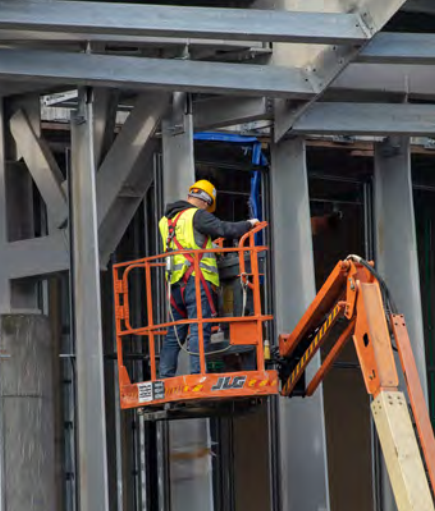
Without subcontractors, construction can’t happen – and in more ways than one. In addition to the materials, labor and expertise they deliver, the capital provided by their businesses is critical to supporting projects from groundbreak through completion. Yet every year we see macroeconomic conditions compounded by long standing industry practices that make the subcontractor-as-a-bank model harder to maintain for the sub.
Their uphill battle is as steep as ever. This year we saw subs’ supplier terms be cut, making those terms even more inadequate against even longer AR timelines. Their direct costs have increased to the tune of $97B, but their bids and contracts can’t always keep up. What’s worse is that most GCs will not provide the contract provisions to the sub to ensure they can pass price increases to the property owner.
That means the cushion of cash in the business – their profit – is being squeezed to its limit. If that wasn’t enough, in 2023 we continue staring down the barrel of significant labor shortages and premiums. Something’s got to give… and it will.
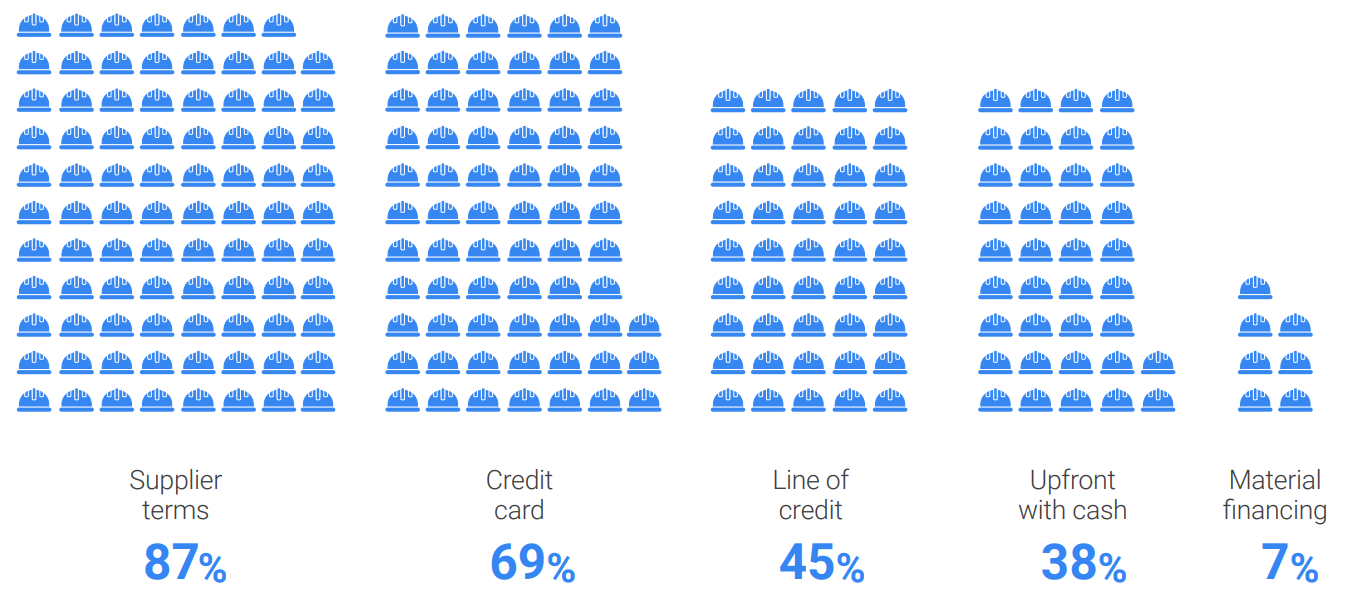
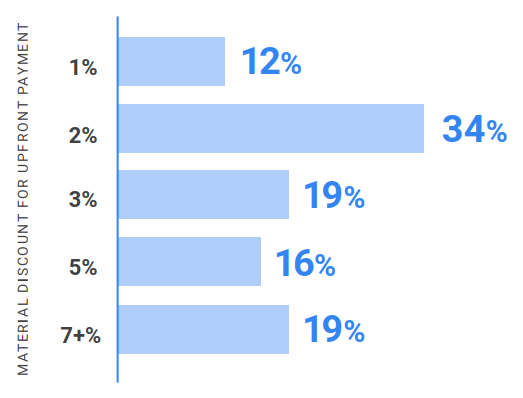
We at Billd can’t fix inflation, material volatility, or a thinning labor market. But, we can get subs access to working capital that will make these challenges less consequential. And, we can make sure subs know the cost of all financing (Billd products, cost of cash, cost of supplier terms, cost of bank line of credit, etc.) and include that cost in their contracts. Tools that provide the flexibility to pay upfront with terms that align with their payment cycles can help subs survive a volatile material market. The cost of financing can easily be offset by adding it into their bids. This type of cash flow flexibility will actually give way to profitability – and that’s what subs need.
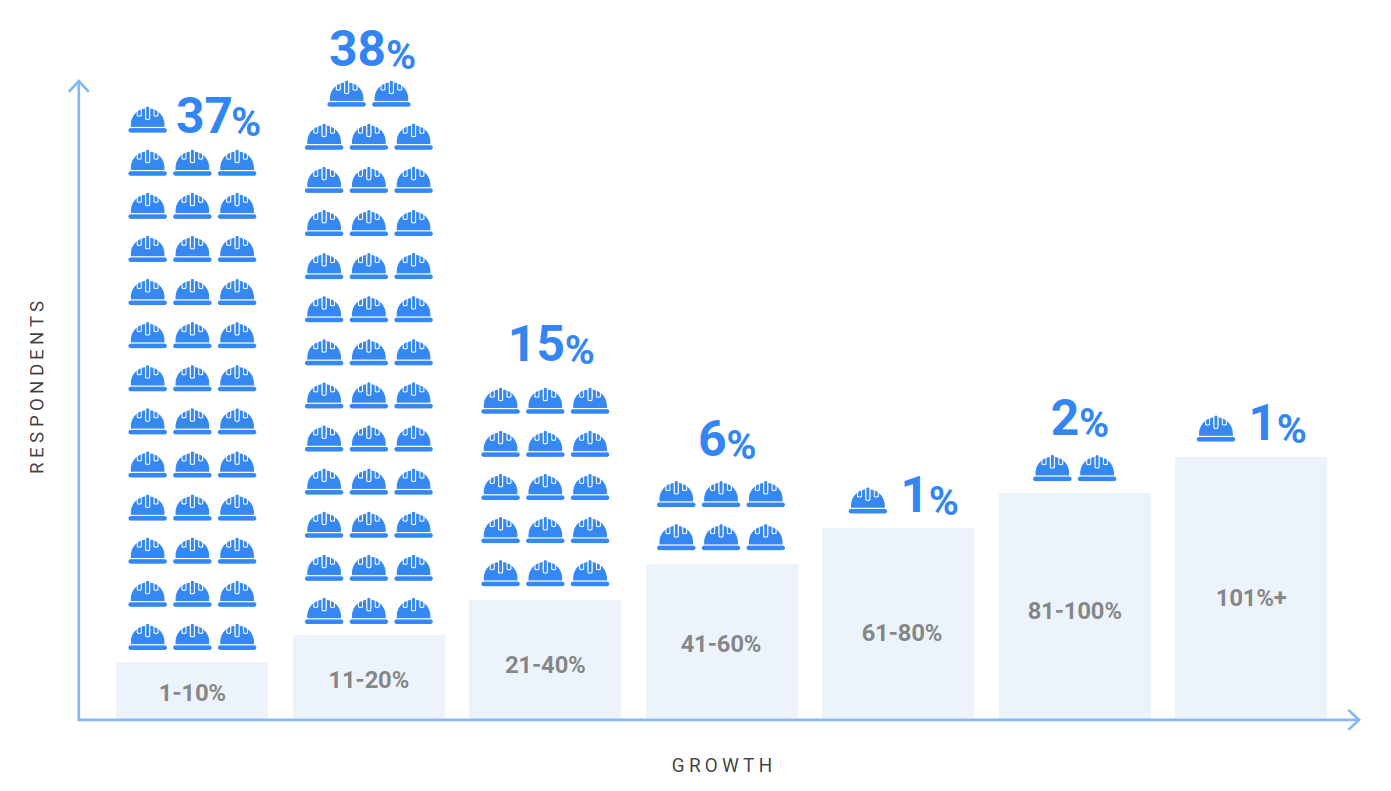
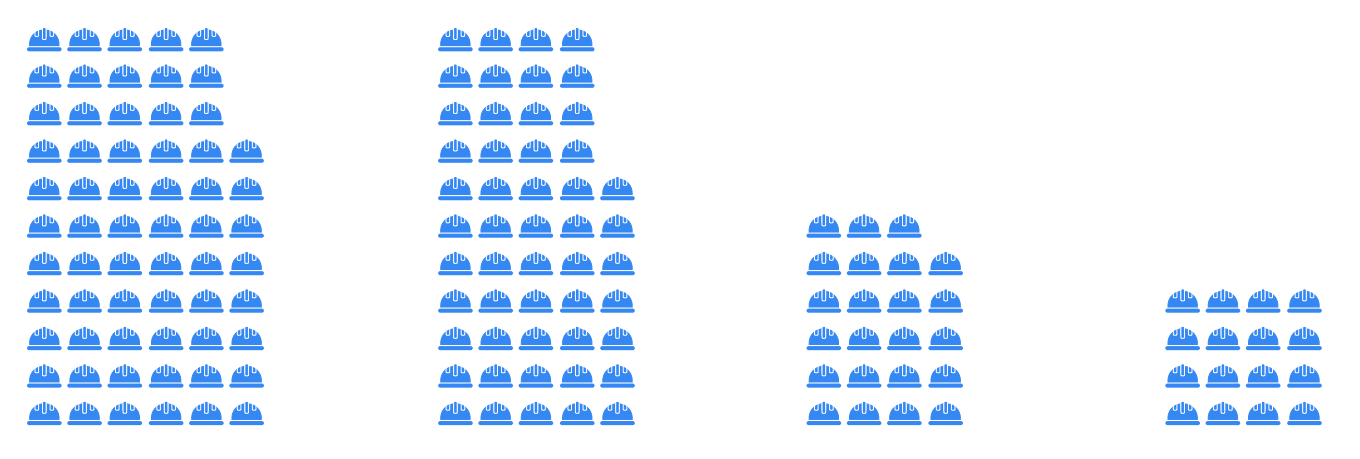
When it comes to obtaining working capital, subs aren’t in an ideal position. They generally carry low cash balances, are owner operated, have unpredictable AR, and are not well understood by the traditional institutions that could fill their working capital gaps. These factors contribute to the fact that nearly a quarter of subs find it difficult to obtain new sources of financing. This can hurt their ability to achieve their profitability and business growth goals at large. We never want subcontractors to limit their growth because of something as conquerable as access to capital.
Subcontractors built America, and here at Billd, we don’t think they should be deprioritized for financing, project payment timelines, or material purchasing power. And because we believe that, we back it up. I’m proud to operate a company that exists to champion the subcontractor. Billd will be here to serve as your partner in profitability, progress, and prompt payment.
Christopher Doyle is an entrepreneur and business leader with extensive construction and finance industry experience. He is the co-founder and CEO of Billd, a disruptive payment solution for the construction industry that helps subcontractors grow their businesses with less hassle and risk. Recognizing the cash flow hurdles that contractors face, Doyle launched Billd to make traditional Wall Street working capital accessible to business owners in the construction industry.
Billd stands alone as a partner that truly champions the subcontractor. Their financial and payment products empower subcontractors to bypass project hurdles by providing access to upfront funds to cover their most pressing costs, including materials and labor. Unlike traditional financing outlets, Billd provides flexible lines of credit to accommodate the unpredictability of cash flow in construction, and extends their customers up to 120-day terms to align with industry payment standards. Billd knows traditional credit metrics are poor predictors for risk and has built a variety of industry-specific, proprietary analytic and financing tools to allow subcontractors to stabilize cash flow and more effectively grow their businesses.